
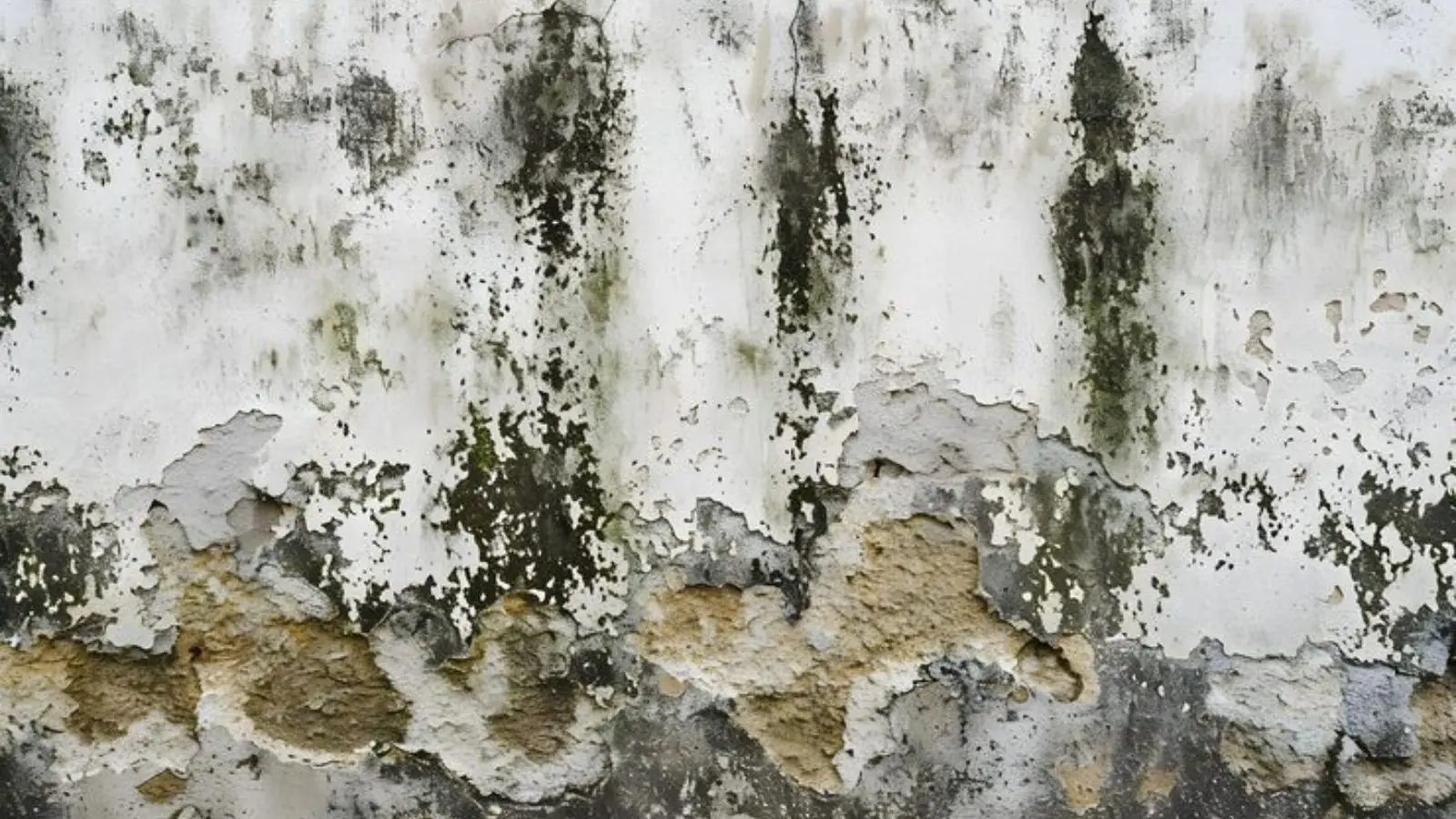
Homeowners tend to say black mold about any dark fuzz on a wall, grout line, sill or ceiling. That name describes a shade only, and shade alone cannot tell you which mold you have. Plenty of molds look dark, and some dark stains are soot, dirt or old water marks.
What matters for your next step is simpler: how big the patch is, what made the surface wet, where it sits, and whether it keeps coming back. This guide walks through those four questions, then explains where a test helps and where it does not.
What People Mean by Black Mold
In everyday use the phrase covers any mold that looks black or very dark green. Online, it often points to one particular species, but you cannot confirm a species by eye. A trained person needs a sample and a lab to name one, and even then the name rarely changes how the cleanup is done.
For a homeowner the useful reading is practical. Dark growth means a surface has been damp long enough to feed something. Whether you call it black mold or just mold, the plan starts with the water.
Dark Marks That Are Not Always Mold
Before you spend money or worry, rule out the look-alikes. A damp cloth and a flashlight settle some of them.
Soot and dust lines
Black streaks above baseboard heaters, candles or return vents are often airborne soot. They smear dry and do not feel damp.
Old water stains
A tan or brown ring with a crisp edge is usually a dried leak. It can sit above a mold problem or stand alone, so check the back of the board.
Grout and caulk discoloration
Dark lines in a shower corner may be soap film or growth on silicone. Replacing worn caulk often solves what scrubbing cannot.
Dirt on exterior-facing walls
Cold corners collect dust that sticks to slightly damp paint. These marks sit in the same spots year after year.
When Testing Helps and What It Cannot Do
EPA guidance says professionals may test when there is doubt about whether growth is present, for example hidden behind a wall after a leak. Air and surface samples can show that spores are present and sometimes in what mix. They help most when you cannot see the problem but suspect it.
A test cannot tell you why the area got wet, whether anyone is affected, or how clean a room is. It also varies with the day, the airflow and where the sample was taken. If you can already see growth on a surface, a test adds a cost without changing the answer, which is to fix the water and remove the material.
- Useful: confirming a hidden problem, documenting a before and after, settling a dispute
- Not useful: naming a color, replacing a moisture reading, proving a room is perfectly clean
- Ask who tests: a company that also sells the removal has a conflict of interest, so many people use a separate tester
Is the Mold Worth a Call? Four Questions
Weigh these together. One alone seldom decides it.
| Question | Lower concern | Higher concern |
|---|---|---|
| Size | A patch smaller than a hand on a hard surface | A wide patch, or several rooms |
| Cause | A known, fixed cause such as a dripping caulk line | No known cause, or a leak still active |
| Location | Tile, glass, a painted wall you can reach | Inside a wall, above a ceiling, under flooring, near the HVAC system |
| Recurrence | Cleaned once and stayed clean | Back within weeks, or in the same spot every season |
If You Decide To Clean It Yourself
A small patch on a hard, nonporous surface like tile can be cleaned with detergent and water, then dried. Wear gloves, eye protection and a snug respirator, and keep the room closed. Bag rags and sponges before you leave the room.
Porous materials are different. Ceiling tile, insulation, carpet and swollen drywall are usually removed rather than cleaned, because growth runs into them. If a surface was wet longer than 24 to 48 hours, EPA says remediation guidance applies.
Questions about your own situation?
Call dispatch to talk through what you are seeing. Scope and price are explained before work starts.
Glendora Notes: Which Utility Serves You
Per the About Us page on azusaca.gov, Azusa Light & Water supplies customers inside Azusa and also some addresses in Glendora. So a Glendora home with a dark patch may be on either utility's lines, and the bill is where you find out.
This matters for recurring growth. A slow pipe leak is a common reason a patch returns, and the utility that bills you is the one to ask about meter checks and shutoff locations. Read the name on the bill before you phone anyone.
A Decision Path Before You Spend Anything
Work through this order before you pay for any tests.
Look for water
Check the plumbing nearby, the window frame, the roof line above and the bathroom fan. Use a moisture meter if you own one.
Photograph the area
Take wide and close shots with something for scale. Photos help a crew and any insurer reading your claim.
Stop new moisture
Fix the drip, run a dehumidifier or open the window. Growth on a dry surface usually stops spreading.
Size it up
Use the four questions above. Small, known and reachable means a careful wipe. Anything else means a call.
Decide on testing
Test if the problem is hidden or if a buyer, landlord or lender needs a record. Skip it if the growth is plain to see.
Health Worries Belong With a Physician
We do not diagnose or predict how mold affects any person. If anyone in the house is worried, bring a list to a doctor: when you first saw the growth, how long the area stayed wet, the rooms the person spends time in, and any symptoms and when they occur. Our mold remediation crews work on the building, and the doctor works on the person.
When the Water Came First
Many dark patches start with an event, such as a supply line, an overflowing tub or a roof drip. If the surface was soaked, water mitigation with air movers and an LGR dehumidifier is the time-sensitive step. Drying quickly helps avoid growth and a bigger remediation scope.
Neighbors in Covina and Azusa ask the same questions, and the same sorting applies to homes there.
Honest Limits
We cannot name a mold from a photo, and a clean test does not prove the cause is gone. Cleanup that follows ANSI/IICRC S520 includes containment and a plan for the moisture, but no company can promise the surface will stay dry afterward. Put the S520 question to any firm you consider, and get its scope on paper.
Frequently asked questions
No. The word describes how it looks. Different molds can appear dark, and a lab sample is the only way to name one. The cleanup approach depends on the material and size more than the name.
Only when growth is hidden, when you need a record for a sale or dispute, or when there is real doubt. If it is plainly visible on a surface, testing rarely changes the next step.
A kit can show that spores exist, which they do in most homes. It cannot show the source, the extent or where behind the wall growth sits. Treat the result as one clue only.
Bring the timeline, the rooms involved, what the water damage was and any symptoms you noticed. The physician decides what is relevant. We do not give medical advice.
Look at your water bill, which names the provider. Since a few Glendora addresses are on the Azusa system, that glance can save you a wrong phone call when a leak is active.
Anything inside walls, across a wide area, near the air handler or tied to an active leak is better handled by a crew with containment and HEPA filtration.
Talk to dispatch
The line is open 24/7. Describe what you see and the next step is explained.