
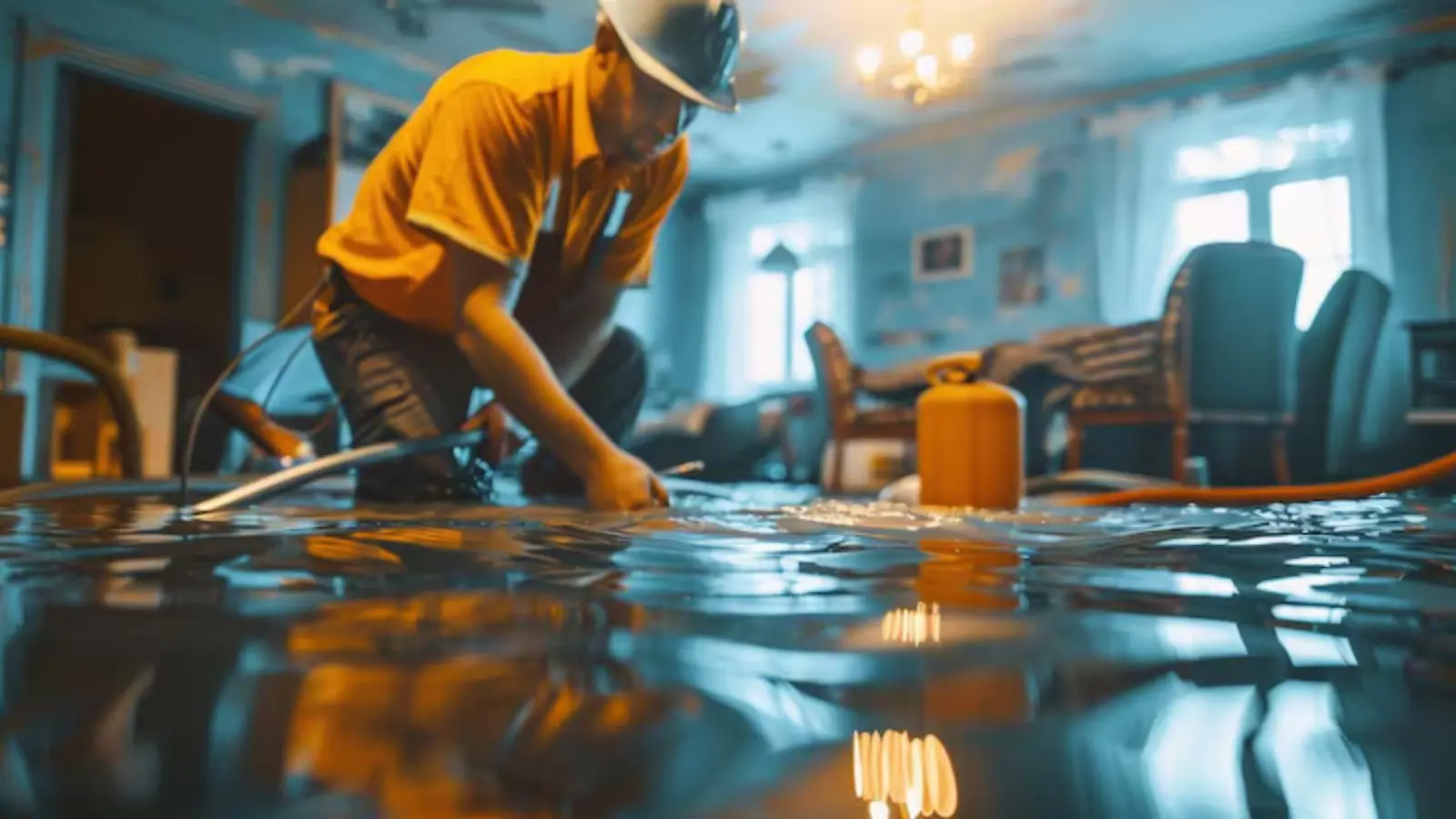
Water is on the floor and the clock is running. Our dispatch line answers 24/7, so call once the source is stopped. While you wait, close the main valve, lift valuables onto dry surfaces, steer kids and animals away from dirty water, and kill power to soaked rooms only if you can get to a dry panel.
Water damage cleanup is the work that follows: hauling out debris and ruined materials, extracting what remains, then sanitizing and deodorizing the rooms that stay. It is a different job from stopping the leak and a different job from rebuilding the wall.
When Water Damage Cleanup Cannot Wait
The US EPA suggests getting to water damage inside 24 to 48 hours as a way to help prevent mold. For carpet, that means drying it quickly and treating the floor underneath as part of the same job. Materials that stay wet longer, or that already show visible mold, move from drying into remediation.
The EPA calls 48 hours a guideline only, so a Saturday night call is not an overreaction. The first night decides how much of the room can be saved.
What Cleanup Looks Like After a Glendora Leak
Most calls start with a supply line, water heater, washer hose or roof leak that ran for hours before anyone noticed. The city's water mains run roughly 224 miles, but the pipe that fails is usually the one inside your own walls, so the house main is the valve that matters.
Once the source is stopped, the crew traces the spread using a pin-type moisture meter and an infrared camera. Water wicks up wallboard and drops through ceilings, so the cleanup area is usually larger than the puddle.
Water Categories: What Is Kept and What Is Removed
The category sets the plan before any tool leaves the truck.
| Category | Typical source | What is usually kept | What is usually removed |
|---|---|---|---|
| Category 1, clean | Supply line, faucet, roof rain intrusion | Wallboard that is not swollen, hardwood, carpet dried inside 24 to 48 hours | Standing water, wet pad if it cannot be dried, soaked insulation |
| Category 2, gray | Washer hose leak, dishwasher overflow, failed sump pump | Hard surfaces after cleaning and sanitizing, framing | Carpet and pad, low wallboard, baseboards, anything porous that stayed wet |
| Category 3, black | Sewage, rising floodwater | Framing and concrete after cleaning and treatment | Carpet, pad, wallboard, insulation, upholstered items, ceiling tiles |
Category 3 calls for trained crews right away, wearing protective gear and working behind containment. Keep air movers off until someone has confirmed the water is clean.
Tear-Out Decisions, Material by Material
Wallboard
Stays put when it has not swollen and the seams still hold tight. Otherwise it is cut out, usually 2 feet above the visible wet line, and the cavity is ventilated.
Carpet
Clean water and a quick response can save it. Gray or black water, or more than 48 hours wet, usually means disposal.
Carpet pad
Pad acts like a sponge and is rarely worth drying. It is cheap to replace and the subfloor beneath it gets cleaned and dried.
Insulation
Wet batts lose their value and hold moisture against framing. They are pulled and replaced after the cavity dries.
Ceiling tiles
Tiles that sagged or stained are discarded. Drywall ceilings that bowed are opened to let trapped water drain.
Antimicrobial Treatment and Odor Control in Plain Words
An antimicrobial is a cleaning product applied after dirt and debris are gone. It does not replace cleaning, because spraying it over a dirty, soaked surface only wets the surface again. The order is remove, clean, treat, dry.
Odor control follows the same logic. A sour or musty smell means damp material is still present, and fragrance only covers it. Real deodorizing removes the source, then uses air scrubbers, HEPA filtration or fogging to clear the air.
Need water damage cleanup now? Call the 24/7 line.
Dispatch is open around the clock. Scope and price are explained before work starts.
Contents: Save, Clean or Let Go
Glass, metal and sealed wood can usually be cleaned and sanitized. Upholstered furniture and mattresses that sat in gray or black water are typically discarded. Family photos, paperwork and electronics get judged one at a time, so set them aside and point them out.
Contents are photographed and listed before they move, which helps a claim later.
Safety First Around Wet Electrical
Water at an outlet, a panel or a ceiling fixture means staying out of that room. Shut power off at the breaker only when the floor around it is dry. If anything smells like gas or buzzes, leave and ring 911 or the utility before you phone us.
Documenting the Damage for Your Insurance Claim
Document before anything is thrown out. Take wide photos of each room, then close-ups of the source, the wet line on the walls and every discarded item. Keep a contents inventory with approximate ages, and ask the crew for a written scope listing each material removed and why.
Your insurer can say what it wants to see, and your policy tells you how this type of loss is treated. Plumber invoices showing when the source was stopped also belong in the file.
Where Cleanup Ends and Other Work Begins
Cleanup clears the room. It does not dry framing the way structural drying does, using fans and low-grain dehumidifiers, and it does not rebuild anything. Most jobs need both, and the crew will explain the split in the written scope.
Once the room is clean and dry, rebuilding the room puts back the wallboard, flooring and paint. If the water was already deep and moving, the flood restoration process fits better. A room that is mostly standing water starts with emergency water removal instead.
What Changes the Scope and Price
These factors move a cleanup scope the most.
Water category
Category 3 needs protective gear and more disposal than clean supply-line water.
Affected area
Square footage and how many rooms the water reached, including rooms below.
Materials involved
Carpet and pad cost less to clear than plaster, tile or engineered flooring.
Drying days and equipment
More equipment and more days raise the total, which depends on how wet the structure is.
Rebuild scope
Tear-out depth decides how much wallboard, flooring and paint must be replaced later.
Policies differ, so read yours and put questions to your insurer. Damage that is sudden and accidental is often covered, leaks that went unnoticed for months often are not, and flood is usually excluded without a separate policy. Keep your photos and written scope together.
Want your real number? Call (626) 879-0276 and the scope and price are explained before work starts.
Glendora Notes for Cleanup Jobs
Most Glendora sewer lines are maintained through a Los Angeles County district that staffs a 24-hour backup line. When sewage rises in a floor drain, call that line and keep everyone out of the affected rooms.
Storms on the Colby burn area in 2014 pushed mud against homes on Easley Canyon Road, one with about four feet at its rear wall. Mud-laden water counts as Category 3, so that cleanup differs from a kitchen leak.
Neighbors in Azusa reach the same dispatch line. Before rebuilding, check with the city's permit desk about what your repair requires.
Frequently asked questions
Any hour works. Night, weekend and holiday calls all reach the 24/7 dispatch line, and a crew goes out the same day whenever one is open. No arrival time is promised. Meanwhile, stop the source and lift valuables.
Cleanup removes water, debris and contaminated materials, then sanitizes and deodorizes. Mitigation is the drying side, using air movers and dehumidifiers to bring wet framing back to normal. Many jobs include both.
It depends on the water category and how long the material stayed wet. Board that has not swollen can dry where it is, while gray or black water usually means removal. Carpet from clean water dried inside 24 to 48 hours can often stay, but the pad usually cannot.
Sanitizing treats surfaces, and deodorizing deals with the air. A smell that stays after both usually means a wet cavity or pad is still hiding behind the finish, so readings are taken again to find it.
The answer sits in your policy and the cause of the loss, so raise it with your insurer before work begins.
Each room from the doorway, then the source, the wet line on the walls and every damaged item.
Talk to dispatch
The line is open 24/7. Describe what you see and the next step is explained.