
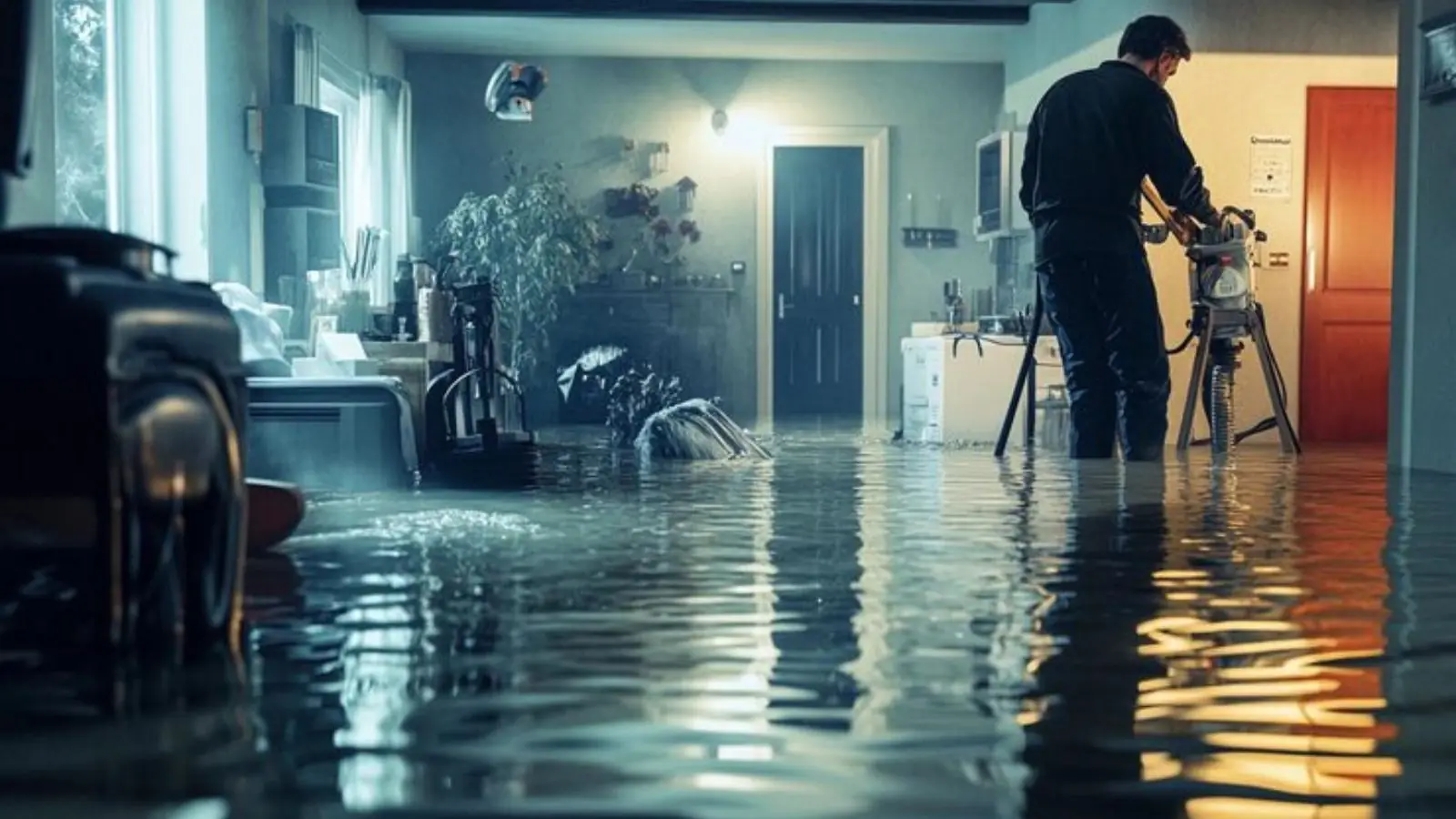
The best water damage insurance claim tip is a habit: record the loss before you change anything. Your claim file is whatever you can hand an adjuster to show what happened and what the repair took, meaning photos, readings, invoices and notes. Wet drywall, carpet and cabinets disappear fast once drying starts, so what you capture in the first hours often becomes the whole story.
This page is a working checklist for Glendora homeowners. It covers what to photograph, what to measure, what to keep and how to hire a contractor without getting burned. It does not predict what any insurer will decide.
The documentation checklist, in order
Work through these as you wait for the crew, as long as the area is safe to enter.
Stop the source and make the area safe
Close the shutoff valve. If water reached outlets or the panel, stay out and phone 911 or the utility before anyone else.
Photograph and film before cleanup
Take wide shots of each room, then close shots of the stain line on walls, the wet flooring and the failed pipe, hose or fixture. Add a short walk-through video with the date visible on your phone.
Capture moisture readings
Our crews log readings from moisture meters and scan walls with a thermal imaging camera, then record the numbers by room. Ask for a copy of those logs because they show what was wet and, later, what was dry.
Get a written scope
A scope lists the rooms, the materials to dry or remove and the equipment on site. Ask for the price and the scope to be explained before any work begins.
Inventory the contents
List each damaged item with brand, rough age and where it sat. Photograph labels and serial numbers.
Keep damaged items until the adjuster looks
Set wet items aside if you can, away from clean areas. If something must go for sanitary reasons, photograph it first and ask the adjuster what to keep.
Save every invoice and message
Keep receipts for hotel stays, fans, bottled supplies and emergency work, plus emails and call notes with dates and names.
Why mitigation comes before the paperwork is finished
Insurers generally expect you to take reasonable steps to keep a loss from growing, and your policy may say so in so many words. Water mitigation is that step: extraction, moving wet contents, and setting air movers and LGR dehumidifiers so structure dries instead of rotting. Ask your insurer how it treats emergency work done before the adjuster arrives.
EPA guidance points to a 24 to 48 hour window for acting on a wet building, since mold gets a head start after that. Wet carpet belongs in that window too, with the subfloor underneath cleaned and dried. It is a rule of thumb rather than a switch, but waiting for a claim number before touching a wet floor can turn a drying job into a tear-out job.
Contents, and what to do with them
Contents claims fall apart on vague lists. A line reading couch is weak. A line reading three-seat fabric sofa, bought roughly six years ago, photographed with its tag is far easier to work with.
Porous items are the hard cases during water damage cleanup. Carpet, padding, upholstered furniture and ceiling tiles that stay wet are typically discarded, while hard goods like glass, metal and sealed wood can often be cleaned and dried. If you are unsure, photograph the item, set it aside and ask before throwing it out.
- Pull photographs, documents and electronics to a dry room first
- Lift furniture legs onto blocks or foil so stains do not wick up
- Do not run household vacuums or fans on wet carpet
- Never turn on wet electronics, even to check them
Questions about your own situation?
Call dispatch to talk through what you are seeing. Scope and price are explained before work starts.
Hiring a contractor: advice from the CSLB
The California Contractors State License Board publishes guidance for homeowners after disasters. It applies to water losses too.
Check the license
Contractors need a CSLB license for jobs above a small dollar threshold, and a license is still needed for smaller jobs that involve workers or permits. Verify it on the CSLB website or by calling the board at (800) 321-2752.
Get three bids
Compare scopes, not only bottom lines. A bid that leaves out drying equipment or demolition is not comparable to one that includes them.
Sign a written contract
The contract should describe the work and the materials. Do not start on a handshake.
Limit what you pay up front
CSLB advises no more than 10 percent down, or the small flat cap it names, whichever is less. Avoid cash, and never let payments run ahead of completed work.
Do not rush
Pressure to sign today is a warning sign. Check references and take time to read the contract.
Glendora permits and repairs after a claim
This section relies on the city's own Building and Safety page. The counter is at 116 E. Foothill Blvd and opens on weekdays from 8am to 5pm. Glendora presents it as the place to start with permits and inspections, and it links an online portal for plans and permits.
That page never lists which repairs need permits, so we do not guess. Once drying is done and the adjuster's scope is agreed, put the question to that office before a contractor opens walls for rebuilding. Asking early avoids a stop-work surprise in the middle of reconstruction.
Honest limits
Good documentation helps a claim, but it does not decide one. Your insurer applies your policy, and exclusions for flood, mudflow and gradual leaks may apply. We will not tell you what your claim is worth or promise an outcome.
Neighbors, shared walls and second opinions
If water came through a ceiling from a unit above, or from a neighbor's line, record whose property the source sits on and who was told. The same advice holds for homes in San Dimas and Covina: the sooner both parties document, the less argument later.
If an estimate feels off, a second scope from another licensed contractor is normal. Bring your photos and moisture logs so both firms start from the same facts.
Frequently asked questions
Every affected room from the doorway, the stain line on walls, the wet floor, the failed part and any damaged contents. Add a short video, and photograph labels on appliances and electronics.
Not usually. Insurers generally expect you to limit further loss, and EPA guidance gives a 24 to 48 hour target for acting. Document first, then dry, and ask your insurer how it treats emergency work.
Photograph it first. Carpet and padding that stayed wet past two days are typically thrown out, and wallboard that has swollen or split at the seams comes out. Keep samples if the adjuster asks.
Use the CSLB website or call (800) 321-2752. CSLB also advises asking to see the license, getting three bids and signing a written contract.
Policies differ, and we do not quote deadlines. Read your policy and ask your insurer directly, and report the loss as soon as you safely can.
Start with the city's Building and Safety office on East Foothill Boulevard, which handles permits and inspections. Its page gives weekday hours but no list of repairs that need permits, so ask them directly.
Talk to dispatch
The line is open 24/7. Describe what you see and the next step is explained.